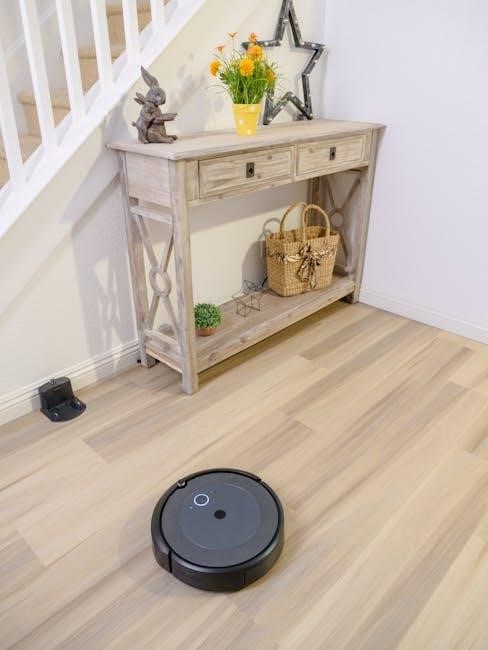
iRobot Roomba 600 Series Manual: A Comprehensive Guide
This detailed manual, sourced from manualsbase and manuals, offers extensive guidance for iRobot Roomba 600 Series owners, covering operation and maintenance effectively.
The iRobot Roomba 600 Series represents a foundational step into the world of robotic vacuuming, offering a convenient and automated cleaning solution for various floor types. This series, documented in user manuals available through resources like manualsbase and manuals, is designed for ease of use and reliable performance. It’s a popular choice for those new to robot vacuums, providing a balance between affordability and functionality.
These models are part of the broader iRobot collection, specifically categorized within manuals_contributions and additional_collections. The Roomba 600 Series excels at everyday dirt, dust, and debris removal, freeing up valuable time for users. Understanding its features, as detailed in the English language manual (item size 13.3M, added August 16, 2020), is key to maximizing its cleaning potential and ensuring long-term satisfaction. This introduction sets the stage for a comprehensive guide to operating and maintaining your Roomba 600.
Unboxing and Initial Setup
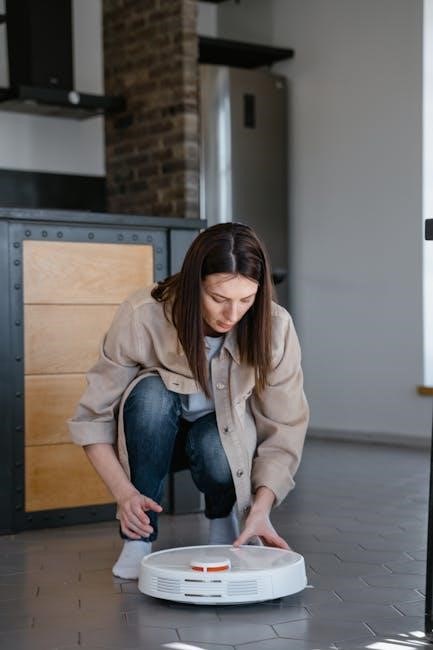
Upon receiving your iRobot Roomba 600 Series, carefully unpack the box to ensure all components are present, as outlined in the user manual sourced from manualsbase and manuals. The initial setup is straightforward, designed for a quick and hassle-free experience. Begin by identifying all included parts – the Roomba itself, the charging base, a power adapter, and potentially additional accessories like virtual wall beacons.
Before the first cleaning cycle, it’s crucial to properly position the charging base against a wall in an open area, ensuring sufficient space around it. Connect the power adapter and allow the Roomba to charge fully. Refer to the manual (added August 16, 2020) for specific charging times. This initial charge is vital for optimal performance and battery longevity. Once charged, you’re ready to begin exploring the Roomba’s cleaning capabilities!
What’s Included in the Box
The iRobot Roomba 600 Series package, detailed in manualsbase and manuals collections, typically contains several key components. You’ll find the Roomba 600 robot itself, designed for automated floor cleaning. A Home Base charging station is included, providing a convenient docking and recharging point for the robot. The power cord connects the Home Base to a standard electrical outlet, ensuring continuous operation.
Furthermore, the box includes a side brush for enhanced edge cleaning, reaching along walls and into corners. A dustbin is provided for collecting debris, and a filter helps trap fine particles. The user manual, added to the collection on 2020-08-16, offers comprehensive instructions. Depending on the specific model, you might also receive additional filter replacements or virtual wall barriers for customized cleaning zones.
Charging the Roomba 600
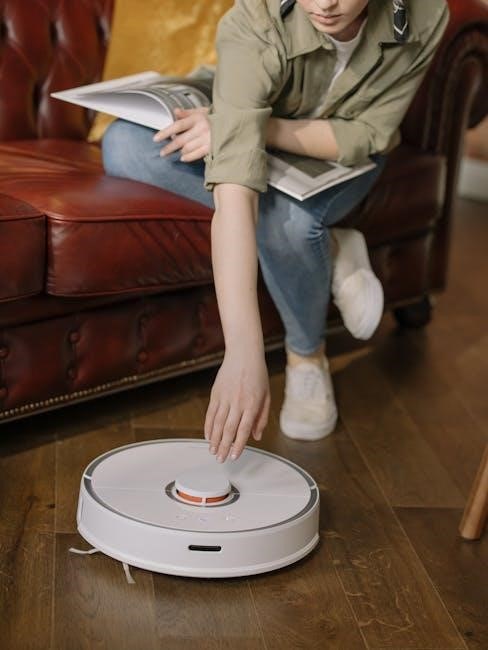
Properly charging your iRobot Roomba 600, as detailed in the manuals from manualsbase, is crucial for optimal performance. Begin by placing the Home Base against a wall on a level surface, ensuring ample space around it. Connect the power cord securely to both the Home Base and a functioning electrical outlet. Position the Roomba 600 onto the Home Base, aligning the charging contacts.
A solid light on the Home Base indicates a successful connection and charging process. Initial charging typically takes several hours – approximately 3 hours – to fully replenish the battery. The Roomba will automatically return to the Home Base to recharge when battery levels are low, or you can manually send it back. Regularly maintaining the charging contacts ensures efficient power transfer, extending battery life as outlined in the user manual added August 16, 2020.
Understanding Roomba 600 Components
Familiarizing yourself with the Roomba 600’s components, as detailed in the iRobot manual sourced from manualsbase, is essential for effective operation and maintenance. Key elements include the top cover, housing the power and clean buttons, and the bumper, designed to detect obstacles. Beneath the cover lies the dustbin, easily accessible for emptying, and the filter, vital for trapping debris.
The cleaning head module features both a bristle brush for agitation and an extracting brush to sweep dirt into the vacuum path. Side brushes extend cleaning reach along edges and corners. Understanding the function of each component, as outlined in the manuals, allows for targeted cleaning and efficient troubleshooting, ensuring your Roomba 600 delivers optimal cleaning performance, as per the collection manuals_contributions.
The Dustbin and Filter
The Roomba 600’s dustbin, detailed in the iRobot manual available on manualsbase, is a crucial component for collecting dirt and debris. Regular emptying – ideally after each cleaning cycle – maximizes suction power and cleaning efficiency. The dustbin is easily removable and designed for hygienic disposal of collected waste.
Equally important is the filter, which traps fine particles and allergens, ensuring cleaner air in your home. The manual emphasizes the need for periodic filter cleaning and eventual replacement (typically every two months, depending on usage) to maintain optimal performance. A clogged filter significantly reduces suction and can strain the motor. Following the guidelines in the manuals_contributions ensures a consistently clean and healthy environment.
Brushes: Bristle and Extracting
The iRobot Roomba 600 Series utilizes two primary brush types, as detailed in the user manual sourced from manualsbase. The bristle brush, a rotating multi-surface brush, agitates carpets and floors, loosening dirt and debris for effective collection. Simultaneously, the extracting brush – featuring rubber flaps – sweeps the loosened particles towards the vacuum’s suction path.
Regular inspection and cleaning of both brushes are vital, as hair, string, and fibers can become entangled, hindering performance. The manual provides clear instructions for brush removal and cleaning, emphasizing the importance of removing any obstructions. Maintaining clean brushes ensures optimal agitation and extraction, contributing to a thorough cleaning experience, as highlighted in manuals_contributions.
The Cleaning Head Module
The iRobot Roomba 600 Series’ cleaning head module, as described in the user manual available on manualsbase, is a crucial component for effective floor cleaning. This module houses both the bristle brush and the extracting brush, working in tandem to loosen and collect dirt, dust, and debris. It’s designed to adjust to different floor types, maintaining consistent contact for optimal performance.
The manual details how to remove and inspect the cleaning head module for any obstructions or damage. Proper maintenance, including cleaning the brush bearings and ensuring free rotation, is essential. A well-maintained cleaning head module guarantees efficient dirt removal and prevents motor strain, contributing to the Roomba’s longevity, as noted in manuals_contributions.
Operating Your Roomba 600
The iRobot Roomba 600 Series, as detailed in the user manual sourced from manualsbase, is designed for simple and intuitive operation. Powering on the device is typically achieved with a clearly marked “Clean” button, initiating an automatic cleaning cycle across your floors. The manual emphasizes understanding the Roomba’s behavior during operation, noting its navigation patterns and obstacle avoidance capabilities.
Users can leverage specific cleaning modes, like Spot Cleaning for concentrated areas or Edge Cleaning for along walls, enhancing cleaning precision. The manual provides guidance on interpreting the Roomba’s indicator lights, signaling status updates and potential issues. Familiarizing yourself with these operational aspects, as outlined in manuals_contributions, ensures optimal performance and a consistently clean home.
Powering On and Starting a Cleaning Cycle
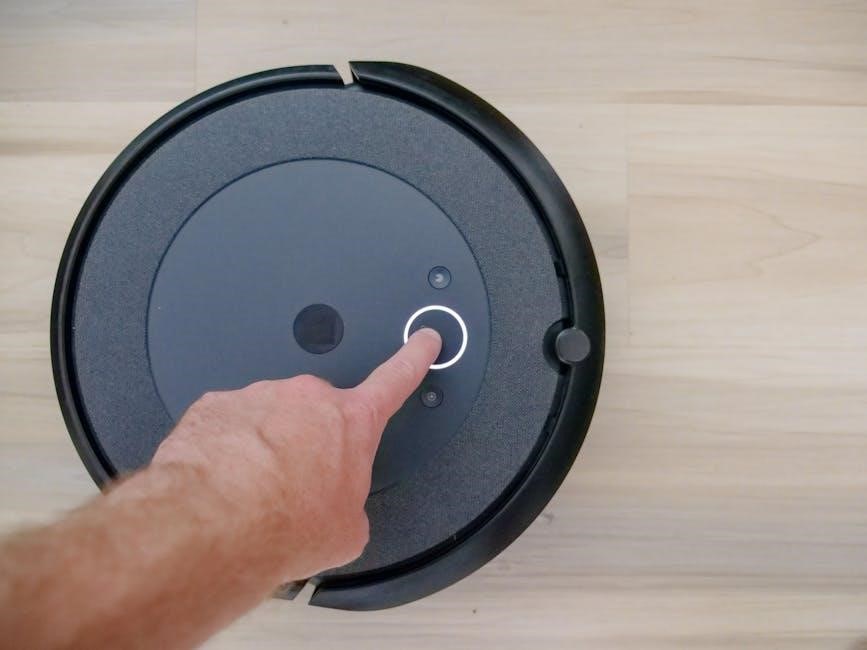
Initiating a cleaning cycle with your iRobot Roomba 600 Series, as detailed in the manualsbase documentation, is remarkably straightforward. Locate the prominent “Clean” button on the top of the device – a single press activates the automated cleaning process. The Roomba will then begin navigating your floors, systematically cleaning as programmed.

Before starting, ensure the Roomba is not obstructed and has sufficient battery life. The user manual, found within the manuals collection, highlights the importance of a clear path for optimal performance. Observe the indicator lights; a solid green light confirms the cycle has begun. The Roomba will autonomously return to its Home Base when finished or low on power, as described in manuals_contributions.
Using the Clean Button
The “Clean” button on your iRobot Roomba 600 Series, as outlined in the comprehensive manualsbase guide, serves as the primary control for initiating and pausing cleaning cycles. A single, firm press activates the Roomba, sending it on its programmed cleaning route. Pressing the button again during operation immediately pauses the cleaning cycle, allowing for interruption if needed.
The manuals detail that a double-press of the Clean button will initiate the Docking function, instructing the Roomba to return to its Home Base for recharging. Understanding this functionality, sourced from manuals_contributions, is crucial for efficient operation. The button’s responsiveness is key; ensure a clear press for reliable activation, as noted in the collection of manuals.
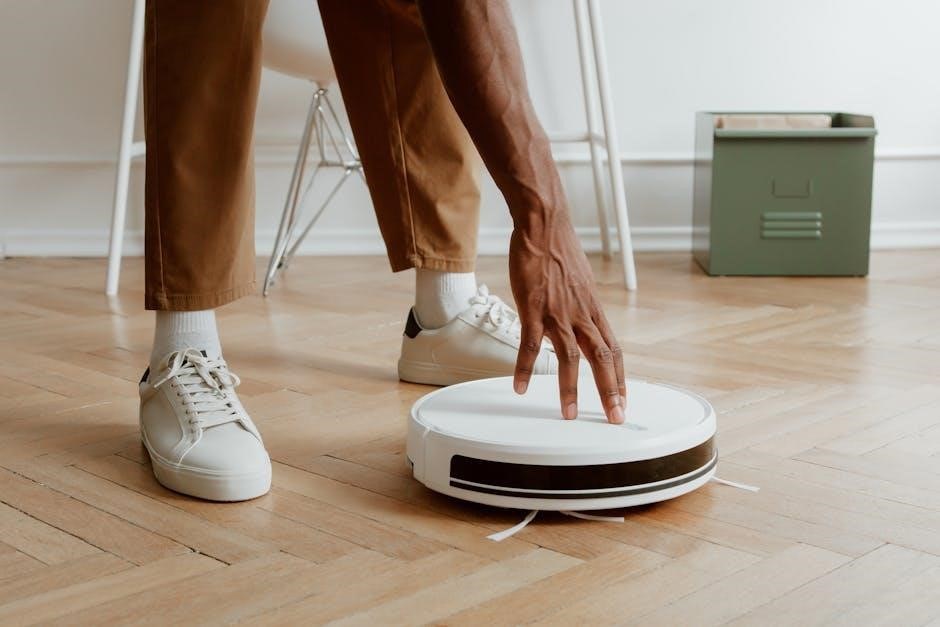
Spot Cleaning Mode
The iRobot Roomba 600 Series’ Spot Cleaning Mode, detailed within the manualsbase documentation, is designed for concentrated cleaning of smaller, heavily soiled areas. To activate this mode, press and hold the “Clean” button for approximately three seconds, until a dedicated indicator light illuminates. The Roomba will then spiral outwards from its starting point, cleaning a roughly 3-foot diameter area with increased intensity.
Manuals_contributions emphasize that Spot Cleaning is ideal for spills or concentrated dirt patches. After approximately one minute, the Roomba will automatically return to its original starting location and cease operation. This focused cleaning approach, as described in the manuals, conserves battery life while effectively addressing localized messes, offering a targeted solution for quick cleanups.
Edge Cleaning Mode
The iRobot Roomba 600 Series’ Edge Cleaning Mode, as detailed in the manualsbase resources, is specifically engineered to clean along walls and around furniture. Initiated by pressing the “Clean” button twice rapidly, the Roomba will systematically follow the perimeter of the room, ensuring thorough cleaning in hard-to-reach areas.
According to manuals_contributions, the Roomba utilizes its side brush to effectively sweep debris from edges into its cleaning path. This mode is particularly useful for removing dust and dirt that accumulates along baseboards and furniture legs. The cleaning cycle continues until the Roomba completes a full perimeter sweep or until the battery is low. This focused approach, highlighted in the collection manuals, maximizes cleaning efficiency along edges.

Maintenance and Troubleshooting
Regular maintenance, as outlined in the iRobot Roomba 600 Series manual sourced from manualsbase, is crucial for optimal performance. This includes routinely emptying the dustbin, cleaning the brushes, and replacing the filter – typically every two months, depending on usage. Addressing common issues promptly extends the Roomba’s lifespan.
Manuals_contributions detail troubleshooting steps for scenarios like the Roomba not turning on (check power adapter and battery) or getting stuck (remove obstacles and ensure clear pathways). Poor cleaning performance often indicates a full dustbin or clogged brushes. The manuals emphasize the importance of inspecting and cleaning these components regularly. Following these guidelines, found within the collection manuals, ensures consistent and effective cleaning.
Emptying the Dustbin
The iRobot Roomba 600 Series manual, available through manualsbase, stresses the importance of frequent dustbin emptying for peak cleaning performance. A full dustbin significantly reduces suction power, impacting cleaning effectiveness. The process is straightforward: press the dustbin release button on the Roomba’s body. Carefully remove the dustbin and open it over a trash receptacle.
Manuals_contributions highlight the need to periodically clean the dustbin with a dry cloth to remove any lingering debris. Ensure the filter is also inspected during this process, as a clogged filter further diminishes suction. Regularly emptying the dustbin, as detailed in the collection manuals, maintains optimal cleaning capability and prolongs the Roomba’s operational life, preventing motor strain.
Cleaning the Brushes
The iRobot Roomba 600 Series manual, sourced from manualsbase, emphasizes regular brush cleaning for optimal performance. Hair, threads, and debris can easily become tangled around the bristle and extracting brushes, reducing their effectiveness. To clean, turn the Roomba over and remove the brush module. Carefully remove the brushes, noting their correct orientation for reinstallation.
Manuals_contributions suggest using the provided cleaning tool to remove wrapped hair and debris from both brushes. Inspect the brush caps for wear and tear, replacing them if necessary. A clean brush system ensures efficient dirt pickup and prevents motor strain. Consistent brush maintenance, as detailed in the collection manuals, maximizes cleaning power and extends the lifespan of your Roomba 600 Series.
Replacing the Filter
The iRobot Roomba 600 Series manual, available through manualsbase, highlights the importance of filter replacement for maintaining suction power and air quality. A clogged filter reduces cleaning effectiveness and can strain the vacuum motor. Manuals_contributions recommend replacing the filter every two months, or more frequently if you have pets or allergies.
To replace the filter, access the dustbin and remove the existing filter. Ensure the new filter is properly seated within the dustbin compartment. The collection manuals detail that using a genuine iRobot filter is crucial for optimal performance and to avoid damaging the Roomba. Regularly replacing the filter, as outlined in these resources, ensures consistent cleaning and a healthier home environment.
Troubleshooting Common Issues
The iRobot Roomba 600 Series manual, sourced from manualsbase, addresses frequent user concerns. If your Roomba won’t turn on, check the battery connection and ensure the charging base is properly plugged in. Getting stuck often indicates obstacles or tangled cords – clear the area before running a cleaning cycle. Poor cleaning performance usually stems from a full dustbin, clogged brushes, or a dirty filter; address these issues promptly.
Manuals_contributions suggest regularly inspecting the brushes for debris and cleaning them as needed. Refer to the detailed diagrams within the collection manuals for specific troubleshooting steps. Consistent maintenance, as detailed in these resources, will minimize issues and maximize your Roomba’s lifespan and cleaning efficiency.
Roomba Won’t Turn On
If your iRobot Roomba 600 Series fails to power on, the manual from manualsbase suggests several checks. First, verify the charging base is securely plugged into a working outlet. Next, ensure the Roomba is correctly positioned on the charging base, making good contact with the charging plates. A loose connection is a common culprit.
Consult the diagrams in the manuals_contributions collection to confirm proper docking. If the issue persists, inspect the battery compartment for any obstructions or damage. A depleted or faulty battery may require replacement. Remember to consult the full manual for detailed troubleshooting steps and safety precautions before attempting any repairs.
Roomba Gets Stuck
According to the iRobot Roomba 600 Series manual, frequently getting stuck indicates potential environmental factors. Review your room for loose cords, rug tassels, or low-hanging furniture that could impede Roomba’s movement. The manualsbase resource highlights the importance of a clear path for optimal performance.
Ensure Roomba isn’t attempting to navigate excessively thick carpets or transition between significantly different floor heights. Regularly check the Roomba’s brushes and wheels for tangled debris, as this can hinder its ability to move freely. The manuals_contributions collection provides diagrams illustrating common snag points. If Roomba consistently gets stuck in the same location, consider using Virtual Walls (if applicable) to restrict access.
Poor Cleaning Performance
If your iRobot Roomba 600 Series isn’t cleaning effectively, the manual suggests several checks. First, ensure the dustbin isn’t full, as a full bin drastically reduces suction power. Next, inspect the filter; a clogged filter significantly impacts cleaning ability and requires replacement. Refer to the manualsbase documentation for filter replacement intervals.
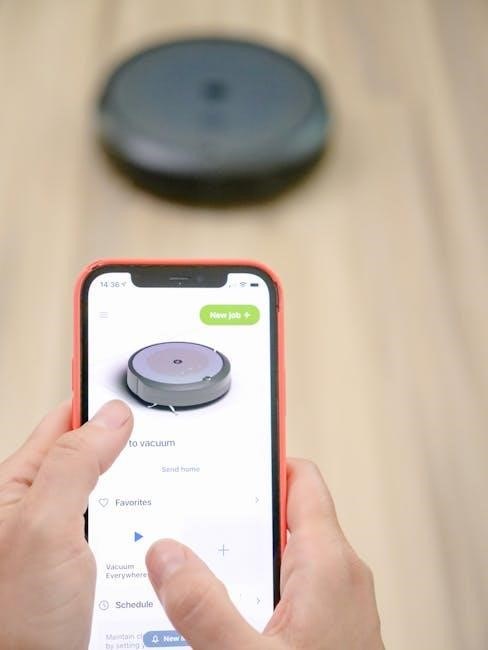
Examine the brushes – bristle and extracting brushes – for wear and tear or entanglement with hair and debris. Clean or replace them as needed. The manuals_contributions collection details brush maintenance procedures; Finally, verify the cleaning head module is free from obstructions. Consistent poor performance may indicate a need for a more thorough cleaning of Roomba’s internal components.
Advanced Features and Tips
The iRobot Roomba 600 Series, while straightforward, offers features to optimize cleaning. Scheduling cleaning cycles, though basic, allows for automated floor care – consult the manualsbase resources for programming instructions. Maximizing battery life involves regular charging and avoiding unnecessary operation on high-pile carpets, as detailed in the manuals.
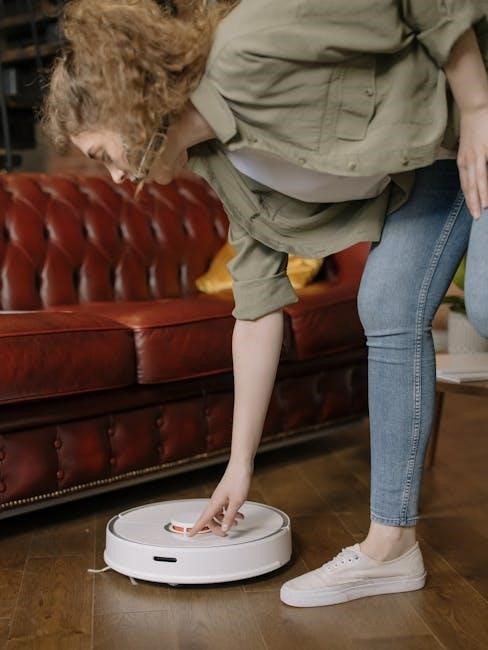
If your model supports Virtual Walls (check your specific 600 Series variant), utilize them to restrict Roomba’s access to certain areas. Proper placement, as illustrated in the manuals_contributions section, is crucial for effectiveness. Regularly checking for software updates (if applicable) can also improve performance. Remember consistent maintenance, as outlined throughout this guide, is key to longevity.
Scheduling Cleaning Cycles
The Roomba 600 Series allows for convenient scheduling, automating your floor cleaning routine. While not as sophisticated as newer models, the scheduling function, detailed in the iRobot manuals sourced from manualsbase, enables pre-set cleaning times. Access the scheduling options through the Roomba’s control panel; the exact steps vary slightly depending on your specific 600 Series model.
Carefully program the desired start time and days of the week. Remember to ensure the Roomba is adequately charged and the cleaning path is clear before the scheduled cycle begins. Refer to the manuals_contributions section for troubleshooting scheduling issues. Consistent scheduling maximizes the benefit of automated cleaning, keeping your floors consistently tidy.
Maximizing Battery Life
To ensure optimal performance and longevity of your Roomba 600 Series battery, consult the comprehensive guides available on manualsbase. Regularly charging the Roomba, even when not in use, helps maintain battery health. Avoid frequent, short charging cycles; allowing a full charge is preferable. Minimize cleaning large areas on a single charge, as this strains the battery.
The iRobot manuals, found within the manuals_contributions collection, recommend replacing the battery every one to two years, depending on usage. Keeping the charging contacts clean also improves charging efficiency. Proper battery maintenance, as detailed in the user manual, significantly extends the Roomba’s operational lifespan and cleaning capabilities.
Using Virtual Walls (if applicable)
The iRobot Roomba 600 Series, depending on the specific model, may be compatible with Virtual Wall® accessories. These devices, detailed in the user manual sourced from manualsbase, create invisible barriers preventing Roomba from entering restricted areas. Proper placement is crucial; ensure the Virtual Wall is on a flat surface and directed towards the area you wish to block.
Refer to the manuals within the manuals_contributions collection for specific instructions on installing and operating Virtual Walls. Battery life within the Virtual Wall unit impacts its effectiveness, so regular battery checks are essential. Understanding the signal range and potential interference factors, as outlined in the iRobot documentation, optimizes the functionality of these helpful cleaning boundaries.



About the author