
Manual label makers offer a straightforward solution for organization, utilizing physical mechanisms to imprint text onto adhesive tapes.
These devices are gaining traction due to their simplicity and affordability, appealing to users seeking a tactile labeling experience.
Today is 03/16/2026 10:32:09 ()
What is a Manual Label Maker?
Manual label makers are self-contained devices designed to create adhesive labels without requiring batteries or a power outlet. They function through a mechanical process, often involving rotating wheels or levers with imprinted characters.
Users physically press or rotate these components to select letters and symbols, which are then transferred onto a tape via an embossing or printing mechanism.
These compact tools are ideal for quick, on-the-go labeling tasks, offering a tangible and reliable method for organization.
The Growing Popularity of Label Makers
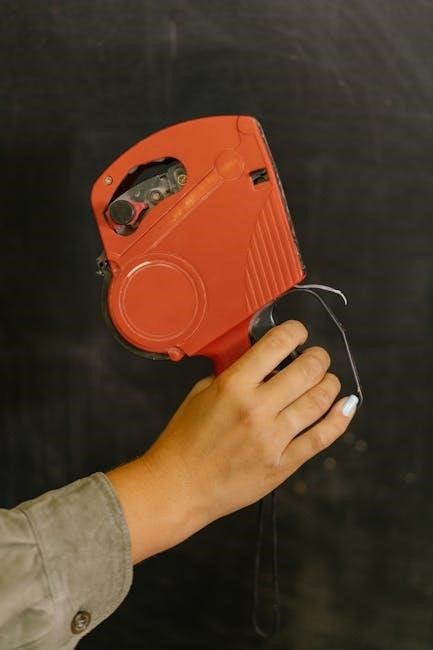
Label makers are experiencing a resurgence in popularity, driven by a renewed focus on home organization and DIY projects. Their appeal lies in providing a customized and efficient labeling solution.
Many find them useful for school, office, and crafting needs, offering a tactile alternative to digital printing.
Compact and portable models, like the Nelko, further contribute to their growing demand, catering to users seeking convenience and versatility.
Types of Manual Label Makers
Manual label makers encompass handheld embossing models, traditional mechanical versions, and newer digital manual options offering expanded features like templates and connectivity.
Handheld Embossing Label Makers
Handheld embossing label makers create raised, textured labels by pressing letters and numbers onto a plastic tape. These are notably simple, requiring no batteries or electricity, making them exceptionally portable and reliable.
They are ideal for basic labeling needs, offering a classic, durable finish. While customization is limited to the available characters, their ease of use and affordability remain appealing.
Mechanical Label Makers
Mechanical label makers represent a traditional approach, employing a hand-crank or lever to physically imprint characters onto a tape. These devices are entirely self-contained, needing no power source, and are known for their robust construction and longevity.
They often feature a vintage aesthetic and are suitable for applications where a durable, non-digital labeling solution is preferred, offering a tactile and satisfying experience.
Digital Manual Label Makers
Digital manual label makers bridge the gap between traditional and fully electronic devices, offering features like multiple fonts, styles, and symbols via a small keyboard and display.
Models like those from Brother function similarly to typewriters, providing enhanced customization without requiring a computer connection. These often include Bluetooth connectivity and app integration for greater design flexibility, appealing to users desiring advanced features.
Key Features to Consider
When selecting a manual label maker, prioritize tape width, font options, and special characters. Portability and size are also crucial for convenient use.
Tape Width and Variety
Tape width significantly impacts label usability; options range from narrow bands for small items to wider tapes for larger surfaces. Epson label makers can print on tapes up to 0.71 inches (1.8 cm) wide.
Variety extends beyond width, encompassing materials like standard plastic, durable heat shrink tapes, and even magnetic decals for versatile applications. Consider your labeling needs when choosing tape types.
Font Styles and Sizes
Advanced manual label makers, like those from Brother, often feature diverse font styles and sizes, mimicking typewriter functionality. This customization allows for clear and visually appealing labels.
While simpler models may offer limited options, the ability to adjust font characteristics enhances readability and organization. Consider models with multiple fonts if varied aesthetics are desired for your labeling projects.
Special Characters and Symbols
Feature-rich manual label makers extend beyond basic lettering, incorporating a range of special characters and symbols for enhanced labeling.
These additions are useful for creating icons, warnings, or specific identifiers. The availability of emojis, for example, adds a playful touch to organization. Consider your labeling needs when evaluating a label maker’s symbol library.
Portability and Size
Manual label makers vary significantly in size and portability, impacting their usability in different scenarios. Newer models, like the Nelko P21, prioritize compactness—half the size of traditional devices—making them ideal for on-the-go organization.
Smaller, lightweight designs enhance convenience for school, office, or crafting applications, while larger models may offer more features but reduced portability.
Top Brands and Models
Leading brands include Brother, Epson, NIIMBOT, and Nelko, each offering diverse manual label maker models with varying features and price points.
Brother Label Makers
Brother offers a wide range of label makers, many featuring screens and keyboards, functioning similarly to typewriters.
These models are recommended for users desiring more features, including diverse fonts, colors, and even emojis.
Brother label makers provide extensive customization, allowing for detailed and personalized labels, though they generally represent a higher investment compared to simpler devices.
Epson Label Makers
Epson label makers are capable of printing on tapes 0.71 inches (1.8 cm) wide, offering over a hundred different tape types.
These include standard plastic, heat shrink tape, and even magnetic decals, providing versatile labeling options.
However, Epson’s average print speed is relatively slow at 0.24 inches (0.61 cm) per second, which may be a consideration for large-volume labeling projects.
NIIMBOT Label Makers
If the Nelko label printer appeals to you, but you desire more advanced customization, the NIIMBOT B1 Label Maker is a strong contender.
These devices offer increased functionality and control over label design, catering to users with specific labeling needs.
NIIMBOT models often feature app integration and multiple templates, enhancing the creative possibilities for various applications.
Nelko Label Makers
The Nelko Label Maker Machine with Tape, specifically the P21 Bluetooth model, presents a modern approach to labeling.
Compared to traditional label makers, Nelko devices boast a significantly reduced weight and size, enhancing portability and convenience.
This mini label maker is ideal for home, school, and office use, offering multiple templates for diverse labeling tasks.
Applications of Manual Label Makers
Manual label makers excel in home organization, school projects, crafting, and asset labeling, providing clear identification for various items and spaces.
Home Organization
Manual label makers are invaluable for decluttering and organizing homes. They efficiently label storage bins, pantry items, and spice racks, promoting a systematic approach to household management.
Teachers utilize them for classroom supplies, while parents identify children’s belongings, preventing mix-ups.
Personal item identification becomes effortless, and creating neat, labeled spaces is easily achievable with these convenient devices.
Office and School Use
Manual label makers streamline office tasks by organizing files, folders, and equipment. They’re perfect for creating clear, professional labels for binders, storage boxes, and supply cabinets, enhancing workplace efficiency.
In schools, teachers use them for labeling classroom materials, and students can identify their belongings.
These devices aid in creating organized learning environments and promoting responsibility.
Crafting and DIY Projects
Manual label makers unlock creative possibilities for crafters and DIY enthusiasts. They’re ideal for labeling handmade goods, organizing craft supplies, and adding personalized touches to gifts.
From scrapbooking and cardmaking to home décor projects, these tools offer a unique aesthetic.
Labels can identify materials, dates, or simply enhance the visual appeal of finished creations, adding a professional finish.
Asset and Inventory Labeling
Manual label makers provide a cost-effective solution for basic asset and inventory labeling needs. They’re suitable for small businesses or home workshops requiring simple identification of tools, equipment, or storage containers.
Creating durable labels helps track possessions and streamline organization.
While not ideal for large-scale operations, they offer a practical method for clear and consistent labeling, improving efficiency.
Comparing Manual vs. Digital Label Makers
Manual label makers generally cost less but offer fewer customization options compared to digital models. Digital versions provide greater flexibility and features.

Cost Comparison
Manual label makers typically represent a budget-friendly labeling solution, with simpler models available for under $30. More feature-rich manual options, like those resembling typewriters from brands like Brother, can reach higher price points.
Conversely, digital manual label makers, such as the Nelko P21 or NIIMBOT B1, fall into a mid-range cost bracket, often between $40 and $70, reflecting their added functionalities like Bluetooth connectivity and app integration.
Ease of Use
Manual label makers generally boast intuitive operation, requiring minimal technical expertise. Basic models involve simple hand-pressing mechanisms for character selection and imprinting, making them accessible to all ages.
Digital manual options, while offering more features, maintain user-friendliness through integrated screens and keyboards. However, mastering advanced functions like template selection or app connectivity may require a slight learning curve.
Customization Options
Manual label makers present varying degrees of customization. Simpler models offer limited font choices and character sets, focusing on basic labeling needs. More advanced devices, like those from Brother, expand options with diverse fonts, colors, and even emojis.
The availability of different tape types – plastic, heat shrink, magnetic – further enhances personalization. App integration, as seen in Nelko models, unlocks template access for tailored labels.
Using a Manual Label Maker: A Step-by-Step Guide
Begin by preparing your manual label maker and inserting a compatible tape cartridge. Then, create your desired label and carefully print it!
Preparing the Label Maker
First, ensure your manual label maker is clean and free of any debris that could hinder operation. Next, carefully open the tape compartment and insert a new, compatible tape cartridge, aligning it correctly according to the device’s instructions.
Confirm the tape feeds smoothly through the mechanism. Finally, if your model requires batteries, verify they are installed correctly or connect the power source for optimal performance before creating labels.
Creating and Printing Labels
Begin by composing your desired text using the label maker’s keys or dial. Select your preferred font style and size, if available, and any special characters or symbols needed for clarity.
Once satisfied with the preview, firmly press the print lever or button to imprint the text onto the tape. Carefully peel the newly printed label from its backing and apply it to the intended surface.
Troubleshooting Common Issues
If the label maker jams, gently open the tape compartment and carefully remove any tangled tape fragments. For faded prints, ensure sufficient battery power or replace them entirely. Uneven or misaligned labels often indicate improper tape loading – re-insert the tape cartridge correctly.
Should keys become unresponsive, try cleaning around them with a soft, dry cloth. Persistent issues may require consulting the device’s manual or contacting customer support.
Label Maker Tape Options
Various tape types enhance functionality, including standard plastic, heat shrink for wires, and magnetic tapes for flexible surfaces.
Epson offers over a hundred tape types!
Standard Plastic Tapes
Standard plastic tapes represent the most common and versatile option for manual label makers, suitable for a wide array of labeling needs.
These tapes are ideal for general home, office, and school applications, offering excellent adhesion to various surfaces.
They come in numerous colors and widths, providing flexibility in customization.
Epson provides a vast selection, exceeding one hundred different types, ensuring users can find the perfect tape for their specific requirements, from basic identification to decorative purposes.
Heat Shrink Tapes
Heat shrink tapes are a specialized option offered by brands like Epson, designed for labeling wires, cables, and other cylindrical objects.
When heated, these tapes conform tightly to the shape of the item, providing a durable and professional-looking label that resists peeling or damage.
This makes them invaluable for electrical work, organization, and identifying components.
They offer a secure and long-lasting labeling solution where standard tapes might fail.
Magnetic Tapes
Magnetic tapes represent another versatile labeling solution compatible with certain manual label makers, notably those from Epson, which boasts over a hundred tape types.
These tapes feature a magnetic backing, allowing them to adhere to metal surfaces like filing cabinets, refrigerators, and toolboxes.
They are easily repositionable and reusable, offering flexibility for dynamic labeling needs.
Magnetic tapes are ideal for creating temporary or frequently updated labels on metallic surfaces.
Advanced Features in Modern Manual Label Makers
Modern manual label makers, like the Nelko P21 and NIIMBOT B1, now integrate Bluetooth, mobile apps, and diverse templates for enhanced customization.
Bluetooth Connectivity
Bluetooth connectivity is a significant advancement in manual label makers, exemplified by models like the Nelko P21. This feature allows wireless connection to smartphones or tablets, enabling users to design and edit labels directly from a mobile app.
This eliminates the need for cumbersome keyboard input on the device itself, offering greater flexibility and convenience in label creation. Users can access a wider range of fonts, symbols, and templates through the app interface.
Mobile App Integration
Mobile app integration enhances the functionality of modern manual label makers, like the Nelko P21, offering a user-friendly design experience. These apps provide access to extensive libraries of fonts, symbols, and pre-designed templates, expanding creative possibilities beyond the device’s limitations.
Users can easily customize labels, preview designs, and send print commands wirelessly via Bluetooth, streamlining the labeling process and increasing efficiency.
Multiple Templates
Multiple templates are a key feature in contemporary manual label makers, simplifying the creation of consistent and professional-looking labels. Devices like the Nelko P21 and NIIMBOT B1 offer a diverse range of pre-designed templates for various applications, including organization, school projects, and asset labeling.
These templates save time and effort, allowing users to quickly generate labels with pre-formatted layouts and designs.
Print Speed and Storage Capacity
Print speed varies; Epson averages 0.24 inches per second. Storage capacity, like the 8MB in some models, impacts template and font availability.
Understanding Print Speed
Print speed in manual label makers dictates how quickly labels are produced, impacting efficiency for large projects. Epson’s average of 0.24 inches per second is relatively slow compared to digital alternatives.
Faster print speeds are beneficial for high-volume labeling tasks, while slower speeds are acceptable for occasional use. Consider the quantity of labels needed when evaluating this feature, as it directly affects project completion time.
Importance of Storage Capacity
Storage capacity is crucial for digital manual label makers, determining how many templates, fonts, or custom designs can be saved directly on the device.
Models like the Nelko offer 8 MB of storage, enabling users to retain frequently used labels for quick access. Higher capacity is beneficial for those needing diverse and readily available labeling options, streamlining workflow and reducing repetitive setup.
Label Maker Maintenance and Care
Regular cleaning and proper tape cartridge replacement are essential for optimal performance and longevity of your manual label maker.
Cleaning the Device
To maintain your manual label maker, periodically clean the exterior with a soft, dry cloth to remove dust and debris. Avoid using liquid cleaners or abrasive materials, as these can damage the device.
Pay attention to the print mechanism, gently removing any accumulated tape residue with a cotton swab. Regular cleaning ensures smooth operation and prevents malfunctions, extending the lifespan of your label maker.
Replacing Tape Cartridges
When your label maker’s tape runs out, replacing the cartridge is simple. Open the compartment, usually located on the side or back of the device, and remove the empty cartridge.
Insert a new, compatible tape cartridge, ensuring it clicks securely into place. Follow the manufacturer’s instructions for proper alignment. Proper replacement guarantees clear, consistent label printing and prevents damage to the mechanism.
Cost and Where to Buy
Manual label makers range from $20 to $50+, depending on features. They are available online at retailers like Amazon and in office supply stores.
Price Ranges for Different Models
Basic handheld embossing label makers typically fall within the $20-$30 price range, offering essential functionality for simple labeling tasks. Mechanical label makers, often resembling vintage typewriters, can range from $35 to $45, appealing to those seeking a retro aesthetic.
Digital manual label makers, like the Nelko P21 or NIIMBOT B1, with Bluetooth connectivity and app integration, generally cost between $40 and $60, providing enhanced customization options.
Online and Retail Purchase Options
Manual label makers are widely available through major online retailers like Amazon, offering a vast selection and competitive pricing. Big-box stores such as Walmart and Target also stock basic models, providing immediate access for shoppers.
Specialty office supply stores, both online and brick-and-mortar, carry a broader range, including Brother and Epson options. Direct purchases from brand websites are also possible, often with exclusive deals.
Future Trends in Label Maker Technology
Smart label makers are emerging, integrating Bluetooth and mobile apps for enhanced customization and convenience.
Expect further integration with smart home systems, streamlining organization and automation.
Smart Label Makers
Smart label makers represent a significant evolution, moving beyond purely mechanical operation. Devices like the Nelko P21 incorporate Bluetooth connectivity, enabling wireless printing from smartphones via dedicated apps.
This allows for greater design flexibility, utilizing pre-designed templates and importing custom graphics. These advancements bridge the gap between traditional manual labelers and fully digital printers, offering a blend of portability and advanced features for diverse applications.
Integration with Smart Home Systems
Currently, direct integration with smart home systems remains limited for most manual label makers. However, the trend towards app-enabled devices, like the NIIMBOT B1, lays the groundwork for future connectivity.
Imagine voice-activated label creation or automated labeling triggered by smart home sensors – possibilities emerging as label makers adopt more sophisticated software and wireless protocols, enhancing convenience and automation.

About the author