The Canon EOS 80D manual is a comprehensive guide designed to help users master their camera’s features. It covers basic and advanced functions, ensuring optimal performance. Available as a detailed PDF, it’s essential for unlocking the camera’s full potential and troubleshooting common issues.
1.1 Key Features of the Canon EOS 80D
The Canon EOS 80D boasts a 24.2-megapixel APS-C CMOS sensor and DIGIC 6 image processor, delivering crisp images and smooth performance. It features a 45-point all-cross-type autofocus system, dual-pixel CMOS AF for video, and a vari-angle touchscreen LCD. The camera supports Wi-Fi and NFC connectivity, enabling easy file transfer and remote shooting. Its ISO range of 100-16000 ensures versatility in various lighting conditions.
1.2 Importance of the Manual for Optimal Camera Use
The Canon EOS 80D manual is essential for unlocking the camera’s full potential. It provides detailed guidance on understanding and utilizing advanced features, from autofocus settings to ISO configurations. The manual helps users troubleshoot common issues and optimize camera performance. Whether you’re a novice or an experienced photographer, it serves as a vital resource for mastering the camera’s capabilities and enhancing your photography experience.
Unboxing and Accessories
The Canon EOS 80D comes with essential items like the camera, lens, battery, charger, and strap. Additional accessories enhance functionality, ensuring a complete photography experience.
2.1 What’s Included in the Box
The Canon EOS 80D box includes the camera body, EF-S 18-55mm lens, LC-E6 battery, LC-E6 charger, Eyecup Ef, neck strap, and basic instruction manual. Additional items like lens caps and camera cover are also provided. For more detailed instructions, users can download the full manual from the Canon website. Ensure all items are present for optimal functionality.
2.2 Optional Accessories for Enhanced Functionality
Optional accessories like extra batteries, memory cards, and lenses enhance the Canon EOS 80D’s capabilities. A remote controller or external microphone improves usability. Lens filters and extenders expand creative options. For connectivity, USB cables and HDMI adapters are useful. These accessories, available on Canon’s website or authorized retailers, help users customize their setup for advanced photography and videography needs.
Camera Controls and Customization
The Canon EOS 80D offers intuitive controls and a touchscreen interface for easy navigation. Users can customize settings to suit their preferences, enhancing shooting efficiency and creativity.
3.1 Understanding the External Controls
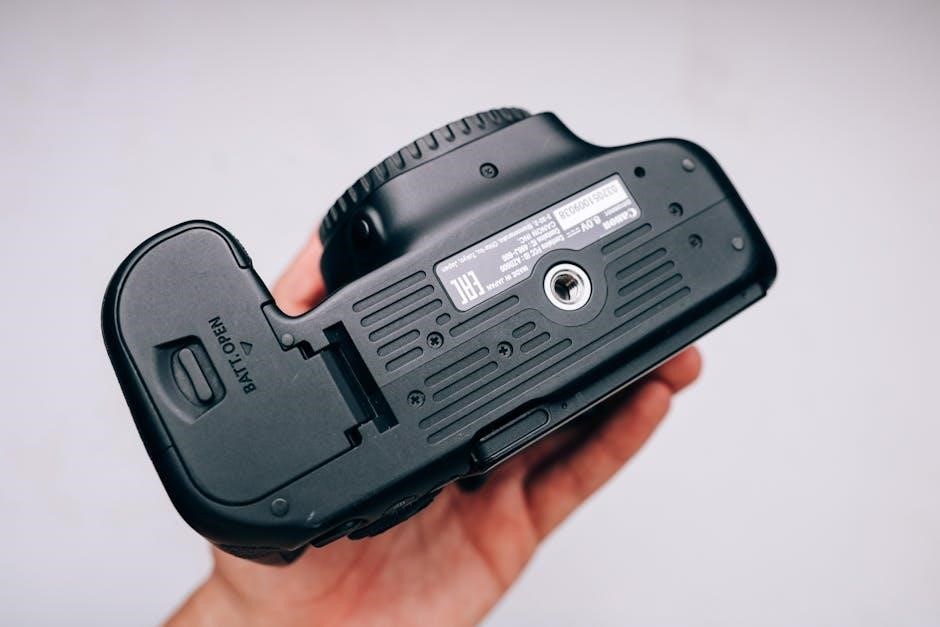
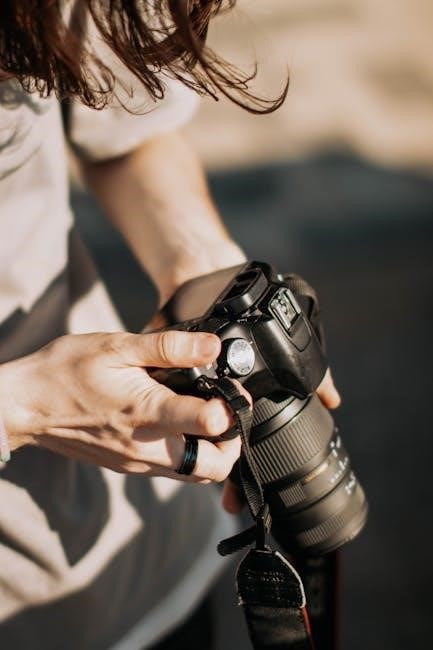
The Canon EOS 80D features a range of external controls designed for quick access to key functions. The mode dial allows easy switching between shooting modes, while the ergonomic layout of buttons and dials provides intuitive operation. The camera also includes a touchscreen LCD, enabling users to navigate settings and adjust parameters with ease.
3.2 Customizing Camera Settings for Personal Preferences
The Canon EOS 80D allows users to tailor camera settings to their preferences. Custom shooting modes enable saving personalized configurations for quick access. Users can adjust ISO, white balance, and autofocus modes to suit their style. The My Menu feature lets you save frequently used settings for easy access. Customizing buttons and assigning functions streamlines your workflow, making the camera more intuitive for your needs. This personalization enhances both creativity and efficiency.
Shooting Modes
The Canon EOS 80D offers versatile shooting modes, including Scene Intelligent Auto, Creative Zone modes, and Special Scene modes. These options cater to various photography needs, ensuring flexibility and creativity in capturing images.
4.1 Overview of the Mode Dial
The Canon EOS 80D’s mode dial provides quick access to various shooting modes, including Scene Intelligent Auto, Program AE, Shutter Priority, Aperture Priority, Manual, and Custom modes. This feature allows users to switch between automatic and manual controls seamlessly, catering to both beginners and advanced photographers. The mode dial simplifies selecting the ideal settings for different scenarios, enhancing creativity and control over image capture.
4.2 Using Manual and Auto Modes Effectively
The Canon EOS 80D offers Manual (M) and Auto modes for versatile shooting. Manual mode provides full control over aperture, shutter speed, and ISO, ideal for creative photography. Auto mode simplifies operations, automatically adjusting settings for quick, hassle-free shots. Understanding when to use each mode ensures capturing high-quality images in various lighting conditions, balancing convenience and control for optimal results.
White Balance and Color Settings
The Canon EOS 80D allows precise control over white balance and color settings. Adjusting these ensures accurate color representation in various lighting conditions, enhancing image quality and visual appeal.
5.1 Understanding White Balance Options
The Canon EOS 80D offers multiple white balance options to match various lighting conditions. Choose from Auto, Daylight, Shade, Cloudy, Tungsten, White Fluorescent, and Custom settings. Auto mode automatically adjusts colors, while Custom allows precise calibration using a reference object. Correct white balance ensures accurate color representation, eliminating unwanted color casts and enhancing image quality in different environments.
5.2 Adjusting Color Settings for Different Lighting Conditions
Adjust color settings on the Canon EOS 80D to optimize image quality under various lighting. Use Picture Styles to customize color tone and saturation. For artificial light, select Tungsten or Fluorescent settings. In natural light, Daylight or Cloudy modes enhance warmth. Fine-tune white balance and color temperature to achieve natural hues. Experiment with RAW format for precise post-processing adjustments, ensuring vibrant and accurate color representation in every shot.
Autofocus System
The Canon EOS 80D features a robust 45-point all-cross-type AF system, delivering precise focus even in challenging lighting conditions. It supports phase-detection and customizable settings for enhanced performance.
6.1 Overview of the Autofocus Features
The Canon EOS 80D boasts a 45-point all-cross-type autofocus system, enhancing accuracy and speed. It supports phase-detection, ensuring reliable focus in various lighting conditions. Users can customize AF points and modes, such as single-point, zone, and face detection, to suit different scenarios. This system is particularly effective for tracking moving subjects, making it ideal for wildlife and sports photography.
6.2 Configuring Autofocus for Various Shooting Scenarios
The Canon EOS 80D allows users to customize autofocus settings for different scenarios. Choose from modes like Single Point, Zone, or Face Detection for precise control. Adjust AF points manually or use AI Servo for tracking moving subjects. Customizable AF cases enable tailored settings for sports, portraits, or dynamic compositions, ensuring sharp focus in diverse conditions. This adaptability enhances overall shooting versatility and accuracy.
ISO Settings and Noise Reduction
The Canon EOS 80D offers a wide ISO range (100-16000) and advanced noise reduction options, ensuring clear images in various lighting conditions. Optimal settings enhance photo quality.
7.1 Managing ISO for Optimal Image Quality
Managing ISO on the Canon EOS 80D is crucial for achieving optimal image quality. The camera offers a wide ISO range from 100 to 16000, allowing flexibility in various lighting conditions. Lower ISO settings (100-800) minimize noise, ideal for bright environments, while higher ISOs (6400-16000) are suitable for low-light situations but may introduce grain. Adjusting ISO settings carefully balances noise and image brightness, ensuring sharp and clear photos. Using Auto ISO with a maximum limit can help maintain quality while capturing images in changing light. Understanding how ISO affects your shots helps in making informed decisions to enhance overall image clarity and detail.
7.2 Understanding Noise Reduction Options
The Canon EOS 80D offers noise reduction options to minimize grain in images, especially in low-light conditions. Long Exposure Noise Reduction reduces noise in exposures over 1 second, while High ISO Speed Noise Reduction (four settings: Low, Standard, High, and Multi-Shot) targets grain at higher ISOs. These features help maintain image clarity and detail, ensuring cleaner results in challenging lighting scenarios.
Viewfinder and LCD Screen
The EOS 80D features an optical viewfinder with 100% coverage and a 3.0-inch vari-angle LCD touchscreen. These tools enhance composition, focusing, and reviewing images with precision and ease.
8.1 Using the Optical Viewfinder
The Canon EOS 80D’s optical viewfinder provides 100% frame coverage, ensuring accurate composition. It displays key shooting information like aperture, shutter speed, and ISO. Adjustments can be made without lowering the camera, and the diopter correction accommodates individual vision needs for sharp, clear viewing. This feature is essential for precise control during photography sessions.
8.2 Navigating the LCD Screen and Its Features
The Canon EOS 80D features a 3.0-inch vari-angle LCD touchscreen, offering intuitive navigation. The screen allows for easy access to menu settings, image review, and video playback. Touch functionality enables quick adjustments, such as tapping to focus or change settings. The interface is user-friendly, with clear icons and customizable options. The LCD also displays essential shooting information, making it a vital tool for both beginners and professionals.
Video Recording Capabilities
The Canon EOS 80D supports Full HD video recording with manual focus control and customizable settings, ensuring high-quality footage. The vari-angle touchscreen enhances framing flexibility.
9.1 Setting Up for Video Recording
To begin video recording on the Canon EOS 80D, switch the mode dial to Movie Mode. Enable Movie Servo AF for continuous autofocus. Stabilization can be activated for smoother footage. Customize settings like resolution (up to 1080p at 60fps) and frame rates. Use the vari-angle touchscreen for easy framing. Ensure the memory card has sufficient space and consider using an external microphone for improved audio quality.
9.2 Advanced Video Features and Tips
The Canon EOS 80D offers advanced video features like manual exposure control during recording. Use the touchscreen for smooth focus transitions. Enable focus peaking for precise manual focus. Record time-lapse videos for creative effects. For better audio, use an external microphone with wind noise reduction. Stabilize footage with a tripod, especially in low light or manual focus modes, to ensure professional-quality results.
Wi-Fi and NFC Connectivity
The Canon EOS 80D supports Wi-Fi and NFC connectivity, enabling easy image transfer and remote shooting via compatible smart devices and Canon apps for enhanced functionality.
10.1 Connecting the Camera to Smart Devices
Connecting the Canon EOS 80D to smart devices is seamless using built-in Wi-Fi and NFC. Enable the camera’s Wi-Fi function, select the network on your device, and pair using the Canon Camera Connect app. NFC allows one-tap connection for quick image transfer and remote shooting, enhancing your mobile photography experience with convenience and efficiency.
10.2 Transferring Images and Remote Shooting
Transfer images wirelessly to your smart device using the Canon Camera Connect app for instant sharing. The EOS 80D also supports remote shooting, allowing you to control the camera from your device. This feature is ideal for group photos or unique perspectives, ensuring you never miss a shot while maintaining creative control over settings like focus and shutter release.
Camera Maintenance
Transfer images wirelessly to your smart device using the Canon Camera Connect app for instant sharing. Remote shooting allows control of the camera from your device, ideal for group photos or unique perspectives, ensuring you never miss a shot while maintaining creative control over settings like focus and shutter release.
11.1 Cleaning the Sensor and Lens
Regular cleaning of the sensor and lens is crucial for maintaining image quality. Use the camera’s built-in sensor cleaning function or a soft brush for manual cleaning. For the lens, use a microfiber cloth and avoid harsh chemicals. Always handle the camera in a well-ventilated area to prevent dust from settling. Refer to the manual for detailed cleaning procedures to ensure optimal performance and longevity of your equipment.
11.2 Updating Firmware and Software
Updating the firmware and software ensures your Canon EOS 80D performs at its best. Download the latest versions from the official Canon website. Follow the manual’s step-by-step instructions to avoid installation errors. Regular updates improve functionality, add features, and fix bugs. Always use a fully charged battery and avoid interruptions during the update process for a smooth experience. Keep your camera up-to-date for optimal performance.
Troubleshooting Common Issues
Troubleshooting common issues with the Canon EOS 80D involves identifying error messages, addressing connectivity problems, and resolving performance-related concerns. Refer to the manual for guidance. Regular maintenance and updates often prevent or fix these issues, ensuring smooth camera operation. The manual provides detailed solutions to help users overcome challenges efficiently. Keep your camera functioning optimally by following these steps. Always consult the manual for specific troubleshooting advice tailored to your needs. By addressing issues promptly, you can maintain peak performance and enjoy uninterrupted photography sessions. The troubleshooting section is a valuable resource for resolving both minor and major issues, helping you to make the most of your Canon EOS 80D experience.
12.1 Resolving Error Messages
Understanding and resolving error messages on the Canon EOS 80D is crucial for uninterrupted photography. Common errors like ‘ERR 01’ or ‘ERR 30’ indicate issues with communication or settings. Refer to the manual for specific solutions. For example, resetting the camera or checking connections often fixes these problems. The manual provides detailed explanations and troubleshooting steps. Always address errors promptly to prevent further issues. Regular firmware updates can also resolve recurring problems. If errors persist, consult Canon support for professional assistance. Ensure your camera operates smoothly by following these guidelines. Resolving errors efficiently ensures optimal performance and enhances your photography experience. Keep the manual handy for quick reference. By addressing errors effectively, you can maintain peak functionality and enjoy seamless shooting sessions. The troubleshooting section is your go-to resource for resolving error messages and keeping your EOS 80D in top condition.
12.2 Addressing Connectivity and Performance Problems
Connectivity and performance issues with the Canon EOS 80D can often be resolved by restarting the camera or updating firmware. Ensure Wi-Fi and NFC settings are correctly configured. Clean the sensor and lens to maintain image quality. Check for physical obstructions or damage to ports. If problems persist, reset the camera to factory settings or contact Canon support for assistance; Regular maintenance ensures optimal functionality and connectivity. Always refer to the manual for detailed troubleshooting steps.
Additional Resources
Access the Canon EOS 80D manual as a PDF. Visit Canon’s support page for software and firmware updates. Explore online tutorials and forums for photography tips.
13.1 Downloading the Full Manual
The Canon EOS 80D manual is available as a detailed PDF document. Visit the official Canon website to download it. The manual is comprehensive, covering all camera features. It’s ideal for advanced users seeking in-depth guidance. Ensure to download from Canon’s official site for authenticity and safety. This resource is essential for mastering your camera’s capabilities effectively.
13.2 Accessing Canon Support and Online Tutorials
Canon provides extensive support resources and online tutorials for the EOS 80D. Visit their official website for drivers, firmware updates, and troubleshooting guides. Additionally, Canon offers detailed tutorials and FAQs to help users master their camera. The official manual and online resources ensure comprehensive support, making it easy to resolve issues and enhance your photography skills effectively.